
- Performance
- Lighting
-
Exterior
-
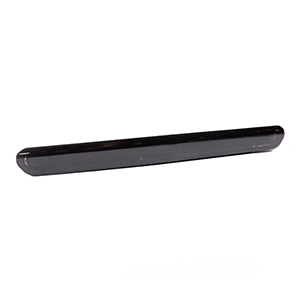 3rd Brake Lights
-
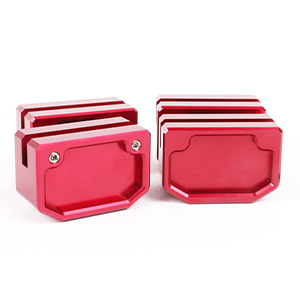 Accessories
-
 Auto Detailing
-
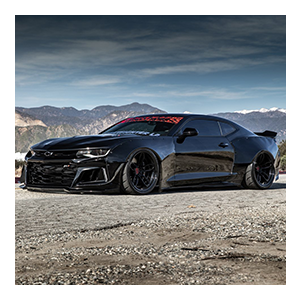 Body Kits
-
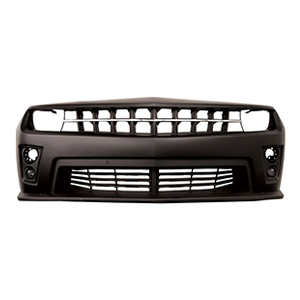 Bumpers
-
 Caliper Covers
-
 Car Covers & Bra's
-
 Carbon Fiber
-
 Emblems
-
 Exterior Lighting
-
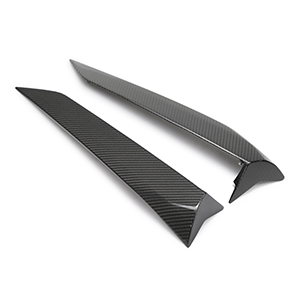 Exterior Trim
-
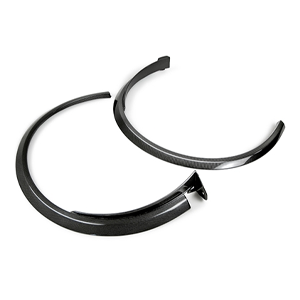 Fenders & Flares
-
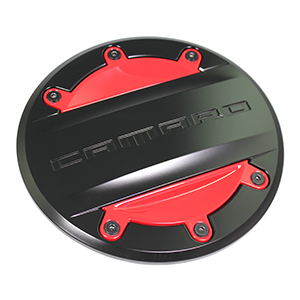 Fuel Doors
-
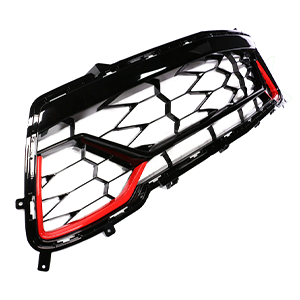 Grilles
-
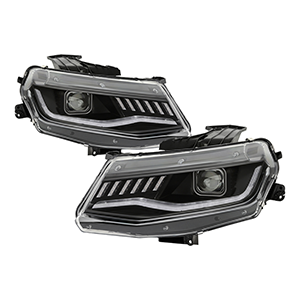 Headlights
-
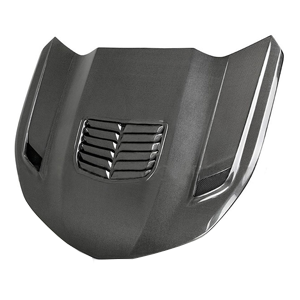 Hoods
Hoods
-
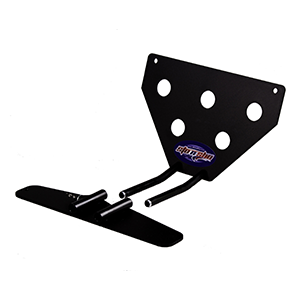 License Plate Accessories
-
 Light Covers & Tints
-
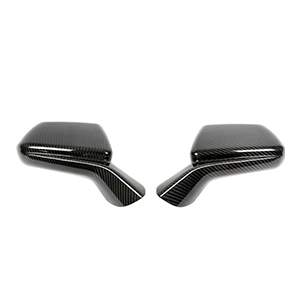 Mirrors
-
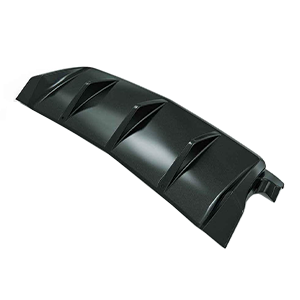 Rear Diffuser
-
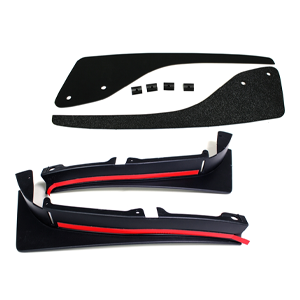 Rock Guards
-
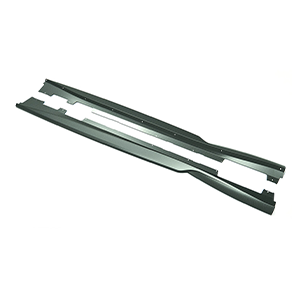 Side Rockers
-
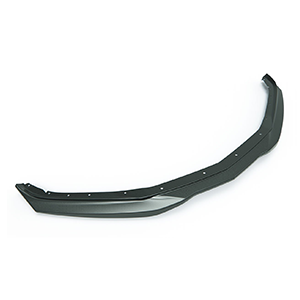 Splitters
-
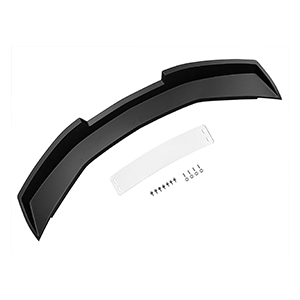 Spoilers
-
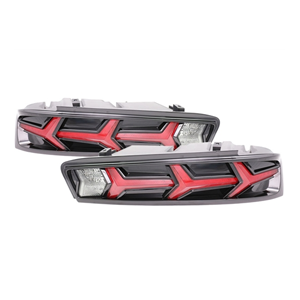 Taillights
-
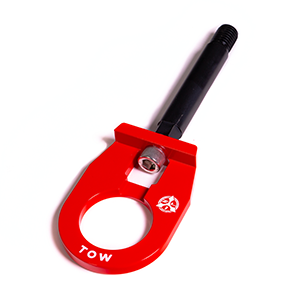 Towing
-
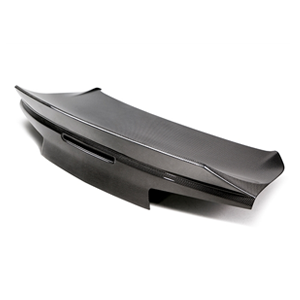 Trunks
-
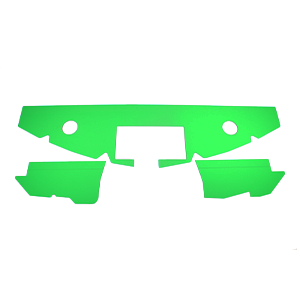 Underhood Accessories
-
 Doors & Vertical Doors
-
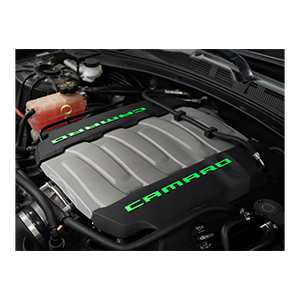 Vinyls
-
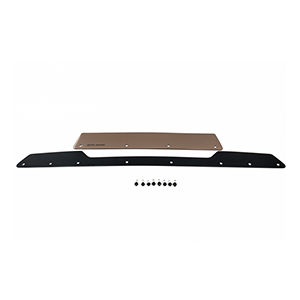 Wicker Bills
-
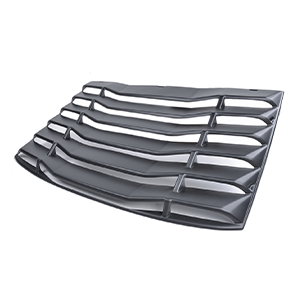 Window Louvers
-
- Interior
- Exhaust
- Wheel & Tire
- Lifestyle
- Deals
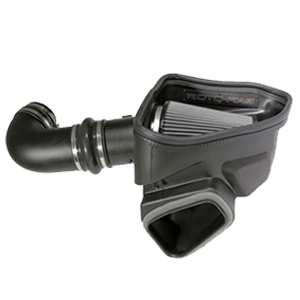







- Air Intakes
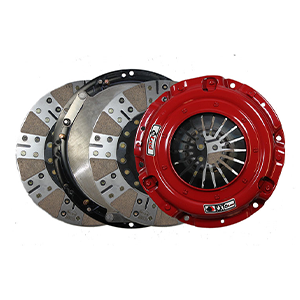
- Drivetrain
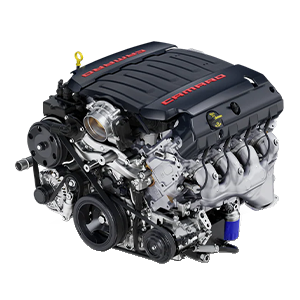
- Engine
- Batteries
- Camshafts
- Cylinder Heads
- Fluids
- Forced Induction & Accessories
- Fuel Delivery & Injectors
- Ignition Parts
- Intake Manifolds
- Intercoolers
- Nitrous Kits
- Oil Pans
- Oil Separators
- Oils & Filters
- Pulleys
- Radiator, Hoses & Accessories
- Reservoirs & Tanks
- Throttle Bodies
- Throttle Enhancement
- Tuners and ECU Management
- Valvetrain
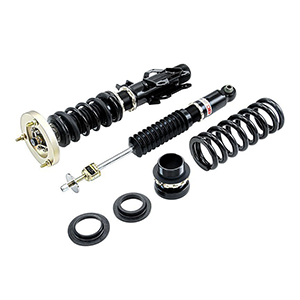
- Suspension
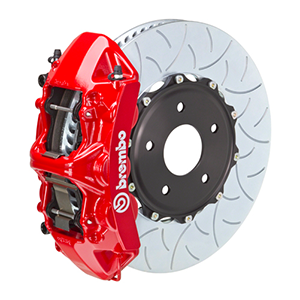
- Brakes
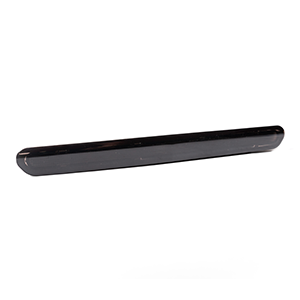
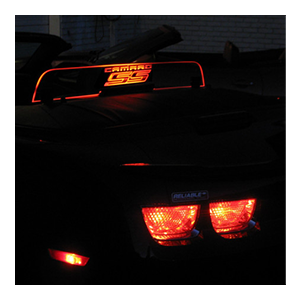
- 3rd Brake Lights
- Covers & Tints
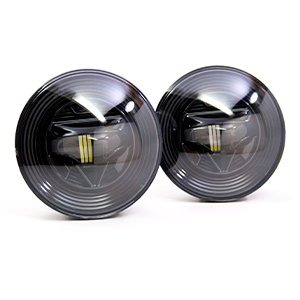
- Fog Lights
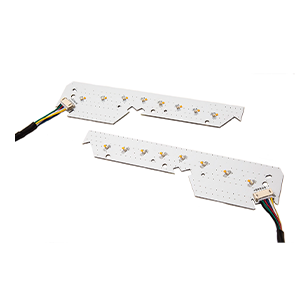
- Halo's & DRL's
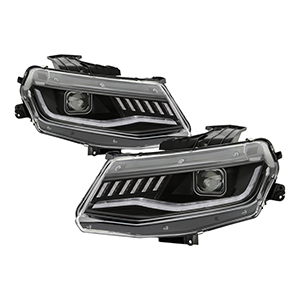
- Headlights
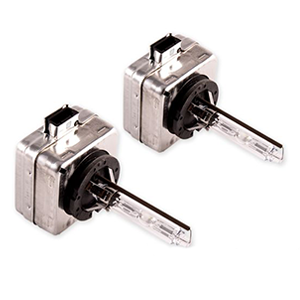
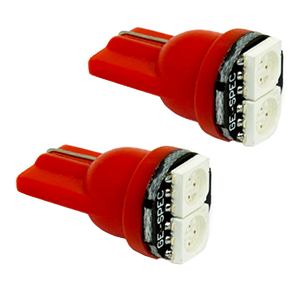
- Light Bulbs
- Lighting Accessories
- Off-Road Lighting
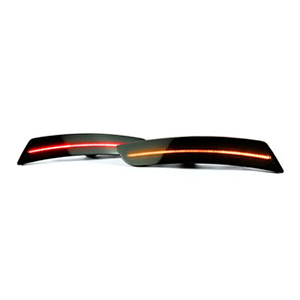
- Side Markers
- Taillights
- Underglow Lights
- Wheel Lights
- 3rd Brake Lights
- Accessories
- Auto Detailing
- Body Kits
- Bumpers
- Caliper Covers
- Car Covers & Bra's
- Carbon Fiber
- Emblems
- Exterior Lighting
- Exterior Trim
- Fenders & Flares
- Fuel Doors
- Grilles
- Headlights
- Hoods
- License Plate Accessories
- Light Covers & Tints
- Mirrors
- Mud Flaps
- Rear Diffuser
- Rock Guards
- Side Rockers
- Splitters
- Spoilers
- Taillights
- Tonneau Covers
- Towing
- Truck Bed & Accessories
- Trunks
- Underhood Accessories
- Doors & Vertical Doors
- Vinyls
- Wicker Bills
- Window Louvers
- Accessories
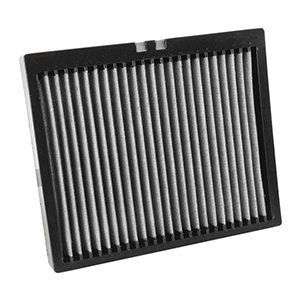
- Cabin Filters
- Cargo Organizers
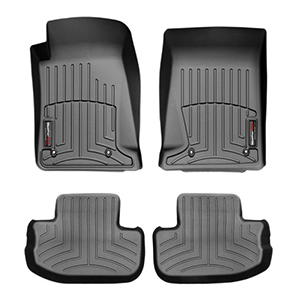
- Floor Mats
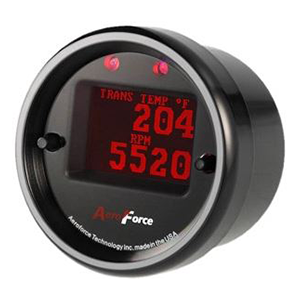
- Gauges & Pods
- Interior Lighting
- Interior Trim
- Pedal Covers
- Roll & Harness Bars
- Seat Covers
- Seats
- Shift Knobs
- Steering Wheels
- Sun Shades
- Trunk Mats
- Performance
- Lighting
- Exterior
- 3rd Brake Lights
- Accessories
- Auto Detailing
- Body Kits
- Bumpers
- Caliper Covers
- Car Covers & Bra's
- Carbon Fiber
- Emblems
- Exterior Lighting
- Exterior Trim
- Fenders & Flares
- Fuel Doors
- Grilles
- Headlights
- Hoods
- License Plate Accessories
- Light Covers & Tints
- Mirrors
- Rear Diffuser
- Rock Guards
- Side Rockers
- Splitters
- Spoilers
- Taillights
- Towing
- Trunks
- Underhood Accessories
- Doors & Vertical Doors
- Vinyls
- Wicker Bills
- Window Louvers
- Interior
- Exhaust
- Wheel & Tire
- Lifestyle
- Deals
- Performance
- Lighting
- Exterior
- Accessories
- Auto Detailing
- Body Kits
- Bumpers
- Caliper Covers
- Car Covers & Bra's
- Carbon Fiber
- Emblems
- Exterior Lighting
- Exterior Trim
- Fenders & Flares
- Fuel Doors
- Grilles
- Headlights
- Hoods
- License Plate Accessories
- Light Covers & Tints
- Mirrors
- Rear Diffuser
- Rock Guards
- Side Rockers
- Splitters
- Spoilers
- Taillights
- Tonneau Covers
- Towing
- Trunks
- Underhood Accessories
- Doors & Vertical Doors
- Vinyls
- Wicker Bills
- Window Louvers
- Interior
- Exhaust
- Wheel & Tire
- Lifestyle
- Deals
- Performance
- Lighting
- Exterior
- 3rd Brake Lights
- Accessories
- Body Kits
- Bumpers
- Car Covers & Bra's
- Carbon Fiber
- Doors & Vertical Doors
- Emblems
- Exterior Lighting
- Exterior Trim
- Fenders & Flares
- Grilles
- Headlights
- Hoods
- License Plate Accessories
- Light Covers & Tints
- Mirrors
- Rear Diffuser
- Rock Guards
- Side Rockers
- Splitters
- Spoilers
- Taillights
- Trunks
- Underhood Accessories
- Vinyls
- Wicker Bills
- Window Louvers
- Interior
- Exhaust
- Wheel & Tire
- Lifestyle
- Deals
- Performance
- Lighting
- Exterior
- Accessories
- Auto Detailing
- Body Kits
- Bumpers
- Carbon Fiber
- Emblems
- Exterior Lighting
- Exterior Trim
- Fenders & Flares
- Grilles
- Hoods
- License Plate Accessories
- Light Covers & Tints
- Mirrors
- Rear Diffuser
- Rock Guards
- Side Rockers
- Splitters
- Spoilers
- Underhood Accessories
- Doors & Vertical Doors
- Vinyls
- Wicker Bills
- Interior
- Exhaust
- Wheel & Tire
- Lifestyle
- Deals