































Choosing the Right Headers for Your Camaro
Headers are a major exhaust upgrade, and choosing the right set involves more than matching the model year. Header style, primary tube diameter, connection pipes, catalytic converters, tuning requirements and the rest of the exhaust combination should all be considered.
Long-Tube vs. Shorty
Long-tube and shorty headers use different primary tube lengths and exhaust layouts. Long-tubes are commonly used in more extensive performance builds, while shorty headers generally retain more of the factory exhaust layout.
Primary Tube Size
Camaro headers are available with different primary diameters, including 1-3/4, 1-7/8 and 2-inch options on select applications. The largest primary tube is not automatically the best choice for every engine combination.
Connection Pipes
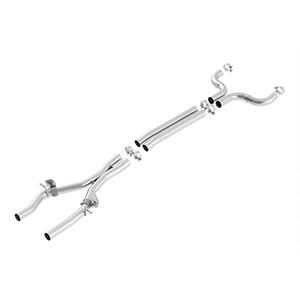
Long-tube systems may use catted connection pipes and different connection styles. Verify how the headers connect to the rest of the exhaust before combining components from different systems or manufacturers.
Tuning Requirements
Tuning requirements vary by header and application. Long-tube systems often involve more significant changes to the exhaust system, while some shorty applications may not require tuning. Follow the requirements for the exact header system being installed.
Long-Tube vs. Shorty Headers
The difference is more than physical size. Primary tube length affects how the headers integrate with the rest of the exhaust and how they are used in a performance combination.
Performance-Focused Exhaust Builds
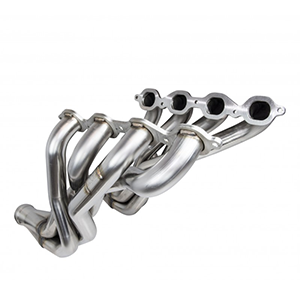
Long-tube headers use extended primary tubes before the collector and typically replace more of the factory front exhaust system. They are commonly paired with matching connection pipes and are frequently used with other engine, intake, camshaft and exhaust modifications.
Retain More of the Factory Layout
Shorty headers use shorter primary tubes and generally retain more of the factory exhaust configuration. Installation, emissions equipment and tuning requirements still depend on the specific product and application.
1-3/4 vs. 1-7/8 vs. 2-Inch Camaro Headers
Primary tube diameter should be matched to the engine combination and intended use. Larger primary tubes can support higher airflow demands, but bigger is not automatically better for every Camaro.
1-3/4-Inch
Available on select Camaro applications, 1-3/4-inch primaries can be appropriate for combinations where maximum exhaust volume is not the primary requirement. Availability depends on generation and engine.
1-7/8-Inch
1-7/8-inch long-tube headers are a common option across Camaro SS and ZL1 applications and are offered by several manufacturers. They are used in a wide range of street and performance combinations.
2-Inch
Two-inch primary headers are available for select SS and ZL1 applications and are commonly considered for combinations with greater airflow demand. Engine modifications and intended power level should be considered before choosing the largest available primary.
Catted Headers & Exhaust Connections
The headers are only one part of the installation. Pay close attention to the connection pipes and how the header system integrates with the remaining exhaust.
Catted Connection Pipes
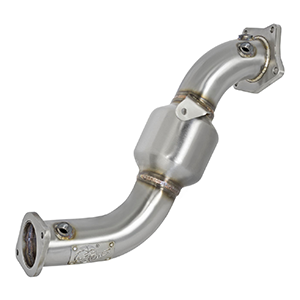
Some long-tube header packages include or are paired with performance catalytic converters. Converter construction and emissions information vary by manufacturer and application.
Factory Connect
A factory-connect system is designed around a particular connection to the remaining factory-style exhaust. Verify the exact manufacturer's configuration rather than assuming every long-tube system connects in the same location.
Performance Connect
Performance-connect systems may be intended to work with matching aftermarket exhaust components. Check connection diameter and required components before combining headers, mid-pipes and cat-back systems.
Do Camaro Headers Require a Tune?
There is no single answer for every header in this category. Tuning requirements depend on the header design, catalytic-converter configuration, engine and manufacturer requirements.
Long-Tube Headers
Long-tube headers can significantly change the front exhaust configuration. Some systems specifically require tuning, and tuning may also be used to properly calibrate a modified engine combination. Check the individual header requirements before installation.
Shorty Headers
Some shorty header applications are designed to work without ECU tuning, but that should not be assumed for every product. Follow the requirements published for the exact header and vehicle.
Camaro Header Fitment
Header fitment varies by generation, engine, trim and exhaust configuration. Verify the complete application and required connection components before ordering.
2010–2015 Camaro
Fifth-generation applications include select V6, SS and ZL1 header systems. Primary size, catalytic-converter configuration and exhaust connections vary between applications.
2016–2024 Camaro
Sixth-generation header options are concentrated heavily around SS and ZL1 performance applications. Verify engine, model year, primary tube diameter, connection pipes and tuning requirements for the exact system.
Camaro Headers FAQ
What do headers do on a Camaro?
Headers replace the factory exhaust manifolds and route exhaust gases through individual primary tubes into a collector. Aftermarket header designs can change exhaust flow and are commonly used as part of a performance exhaust and engine combination.
What is the difference between long-tube and shorty headers?
Long-tube headers use longer primary tubes and typically replace more of the factory front exhaust system. Shorty headers use shorter primaries and generally retain more of the factory exhaust layout.
Do long-tube headers require a tune?
It depends on the system and application. Some long-tube headers specifically require tuning. Check the manufacturer's requirements for the exact header system and consider the complete modification combination.
Do shorty headers require a tune?
Some shorty header systems are designed to operate without a tune, but requirements vary. Verify the specifications for the exact header before installation.
Should I choose 1-7/8 or 2-inch headers for my Camaro?
The better choice depends on the engine combination and airflow demand. A 1-7/8-inch primary is commonly used across many street and performance combinations, while 2-inch headers may be considered for combinations with greater airflow requirements. Bigger is not automatically better for every build.
Will Camaro headers make the exhaust louder?
Headers can significantly change exhaust tone and volume, especially when combined with other exhaust modifications. Final sound depends on the headers, catalytic converters, mid-pipes, resonators, mufflers and the rest of the exhaust system.
How much horsepower do long-tube headers add?
Power gains vary with the engine, header design, tuning and supporting modifications. Manufacturer dyno results should be considered specific to the vehicle and configuration that were tested rather than a guaranteed result for every Camaro.
Can I use long-tube headers with an aftermarket cat-back?
Often, but the components must connect correctly. Header systems can use different connection-pipe styles and diameters, so verify compatibility with the mid-pipe or cat-back being used.
Are catted long-tube headers emissions legal?
Not necessarily. Including a catalytic converter does not automatically establish emissions compliance. Review the manufacturer's emissions information and the requirements applicable where the vehicle is registered or operated.
Do I need new header gaskets when installing headers?
Follow the header manufacturer's installation instructions. Some systems include gaskets while others do not, and replacement exhaust gaskets may be recommended during installation.