













Choosing the Right Brake Lines for Your Camaro
Brake lines carry hydraulic pressure from the braking system to the calipers. Stainless steel braided brake hoses are a popular Camaro upgrade because they are designed to reduce hose expansion and provide a firmer, more consistent pedal feel compared with conventional flexible rubber brake hoses.
Stainless Steel Braided Lines
Performance brake hoses typically use an inner hose surrounded by stainless steel braid and a protective outer covering. The braided construction helps control hose expansion when hydraulic pressure increases.
Reduced hose expansion can provide a firmer and more consistent brake pedal.Factory Brake Package
Camaro brake hose fitment can change with the factory brake package. V6, SS, 1LE, ZL1 and Z/28 applications may require different lines, fittings or mounting arrangements.
Model year alone is not enough to determine brake line fitment.Caliper Compatibility
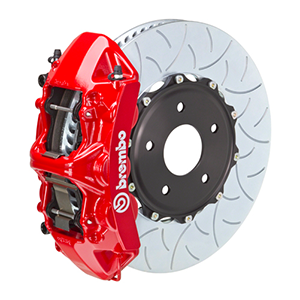
Brake lines must connect correctly to the vehicle's specific calipers. Camaros equipped with different factory Brembo packages can require different brake line configurations.
Verify the caliper and brake package listed for each kit.Complete Kits
Many Camaro brake line kits include hoses for all four corners along with the fittings or mounting hardware required for the listed application. Kit contents can vary by manufacturer.
Check the individual product listing to confirm exactly what is included.What Do Stainless Steel Brake Lines Change?
Stainless steel braided lines primarily change how the hydraulic brake system responds at the pedal. They should be considered one part of the overall braking system rather than a replacement for performance pads, rotors, fluid or tires.
Firmer Brake Pedal
Reducing expansion in the flexible brake hoses can produce a firmer pedal and a more direct feel as hydraulic pressure is applied.
Repeated Braking
A more controlled flexible hose can help maintain consistent pedal response during repeated braking, making stainless lines popular for performance street and track-oriented builds.
Not a Standalone Fix
Brake lines do not compensate for worn pads, damaged rotors, old brake fluid or poor tire grip. The complete braking system should be inspected and maintained together.
Camaro Brake Line Fitment
Camaro brake line fitment depends on generation, trim and factory brake equipment. Verify the exact application before ordering, especially on cars equipped with factory performance brake packages.
2010–2015 Camaro
Brake line kits are available for multiple 5th Gen configurations, including V6, SS, ZL1 and Z/28 applications. These brake packages do not all use the same hose configuration, so the specific vehicle application should be verified.
2016–2024 Camaro
Brake line fitment varies between LS/LT, SS, 1LE and ZL1 applications as well as different factory caliper packages. Some kits are specifically designed around four- or six-piston Brembo brake configurations.
Camaro Brake Line FAQ
What do stainless steel brake lines do on a Camaro?
Stainless steel braided brake lines are designed to limit expansion of the flexible brake hose under hydraulic pressure. This can provide a firmer and more consistent brake pedal compared with a conventional flexible rubber hose.
Do stainless steel brake lines make a Camaro stop faster?
Stainless steel brake lines primarily improve pedal feel and hydraulic consistency rather than tire-limited stopping distance. Pads, rotors, brake fluid, tires, road conditions and ABS operation all play major roles in how quickly the vehicle can stop.
Are stainless steel brake lines worth upgrading on a street Camaro?
They can be a useful upgrade for drivers who want a firmer and more direct brake pedal. The difference may be especially noticeable when replacing older flexible hoses or when the car is driven aggressively.
Do Camaro brake lines need to match the calipers?
Yes. The hose ends, routing and mounting arrangement must be compatible with the vehicle's calipers and brake package. Camaros equipped with different factory Brembo systems can require different brake line kits.
Are Camaro SS and ZL1 brake lines the same?
Not in every application. Brake line fitment can vary by generation, model year and factory caliper package. Use the fitment listed for the individual brake line kit rather than assuming SS and ZL1 components interchange.
Do I need to bleed the brakes after replacing brake lines?
Yes. Replacing a brake hose opens the hydraulic system and introduces air. The system must be properly bled using the correct brake fluid and procedure before the vehicle is driven.
Should I replace all four brake lines at the same time?
Performance brake line upgrades are commonly installed as a complete set so the flexible hoses have consistent construction and response at all four corners. Follow the kit manufacturer's application and installation instructions.
Do stainless steel brake lines require different brake fluid?
The brake hose material does not by itself determine the required brake fluid. Use brake fluid that meets the specifications required for the Camaro and the intended driving conditions.
How often should Camaro brake lines be inspected?
Flexible brake hoses should be inspected during routine brake service and whenever the wheels or braking components are removed. Look for cracking, abrasion, leaks, damaged fittings, kinks or other signs of deterioration.