
















Choosing the Right Brake Pads for Your Camaro
The best brake pad depends on how your Camaro is driven. Street-oriented pads typically prioritize low noise, manageable brake dust and good cold performance, while more aggressive compounds are designed to maintain friction at higher brake temperatures.
Street Brake Pads
Street-focused pads are designed for normal operating temperatures and everyday driving. They typically emphasize predictable cold braking, lower noise, reasonable dust levels and good pad and rotor life.
A good choice for daily-driven Camaros and normal street use.Performance Street Pads
Performance street compounds generally provide increased friction and greater temperature capability for spirited driving while retaining characteristics suitable for regular street use.
Useful for drivers who regularly push beyond normal commuting conditions.Track-Focused Pads
Track-oriented compounds are designed to maintain friction at temperatures generated by repeated hard braking. Depending on the compound, they may produce more noise, dust and rotor wear during street driving.
Higher temperature capability can involve street-use tradeoffs.Correct Brake Package
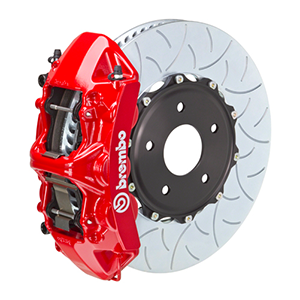
Camaro brake pad shape and size can change with the factory caliper package. SS, 1LE, ZL1 and other performance configurations may use different pads even within the same model year.
Verify the caliper and factory brake package before ordering.Street vs. Performance vs. Track Brake Pads
Brake pad compounds operate best within different temperature ranges. Choosing a more aggressive compound than the car actually needs can introduce unnecessary noise, dust or wear, while a street-oriented pad may overheat during repeated track braking.
Daily Driving
Look for strong cold performance, quiet operation, manageable brake dust and good rotor life. Ceramic and other street-oriented compounds are common choices when comfort and cleanliness are priorities.
Performance Street
A performance street compound can provide stronger initial bite and greater fade resistance for aggressive back-road driving while remaining usable during normal street operation.
Track Use
Repeated high-speed braking generates significantly more heat. Track-focused compounds are designed for these higher operating temperatures but may have different noise, dust, wear and cold-friction characteristics.
Camaro Brake Pad Fitment
Model year alone does not determine Camaro brake pad fitment. Engine, trim, factory brake package, front or rear location and caliper configuration can all change which brake pad is required.
2010–2015 Camaro
Brake configurations vary between V6, SS, 1LE, ZL1 and Z/28 applications. Performance models can use different calipers and brake pads than standard configurations.
2016–2024 Camaro
Brake pad fitment varies between I4, V6, LT1, SS, 1LE and ZL1 applications. Factory Brembo packages and other performance brake options can require different pad shapes and sizes.
Camaro Brake Pad FAQ
What brake pads are best for a daily-driven Camaro?
For daily driving, look for a street-oriented compound with predictable cold braking, low noise, manageable brake dust and good pad and rotor life. The correct choice also depends on the Camaro's factory brake package and the driver's preferences.
What is the difference between ceramic and performance brake pads?
Ceramic street pads commonly emphasize low noise, low dust and smooth everyday operation. Performance-oriented compounds may provide stronger bite or increased temperature capability, but noise, dust and rotor wear can vary significantly by compound.
Do performance brake pads create more dust?
Some do. Brake dust depends on the friction material and how the pad is used. More aggressive compounds can produce additional dust, although the characteristics vary by manufacturer and specific pad compound.
Why do performance brake pads sometimes make more noise?
Friction materials designed for higher temperatures and aggressive braking can have different noise characteristics than comfort-oriented street compounds. Proper installation, compatible rotors and correct bedding can also affect brake noise.
Can I use track brake pads on the street?
Some performance compounds can be used on both street and track, while dedicated track compounds may be designed around temperatures that are difficult to reach during normal street driving. Always follow the pad manufacturer's intended-use recommendations.
Do I need to replace my rotors when replacing Camaro brake pads?
Not automatically. Rotors should be inspected for thickness, cracking, scoring, heat damage and overall condition. They should be replaced when they are below specification, damaged or otherwise unsuitable for the new brake pads.
Do new Camaro brake pads need to be bedded in?
Many performance brake pads require a specific bedding or break-in procedure to establish the proper friction surface between the pad and rotor. Follow the procedure supplied by the brake pad manufacturer because requirements vary by compound.
Can I install different brake pad compounds on the front and rear?
Front and rear compounds can be different in some properly designed brake setups, but changing friction characteristics can affect brake balance and pedal behavior. Follow the brake manufacturer's recommendations for the intended application.
Are Camaro SS, 1LE and ZL1 brake pads interchangeable?
Not necessarily. Different Camaro performance packages can use different calipers, rotor dimensions and pad shapes. Verify the exact model year, trim and brake package listed for the pad rather than assuming SS, 1LE and ZL1 pads interchange.
How do I know when my Camaro needs new brake pads?
Brake pads should be inspected for remaining friction-material thickness and uneven wear. Warning indicators can include brake wear messages or sensors on equipped vehicles, unusual braking noise, changes in pedal feel or visible pad wear.